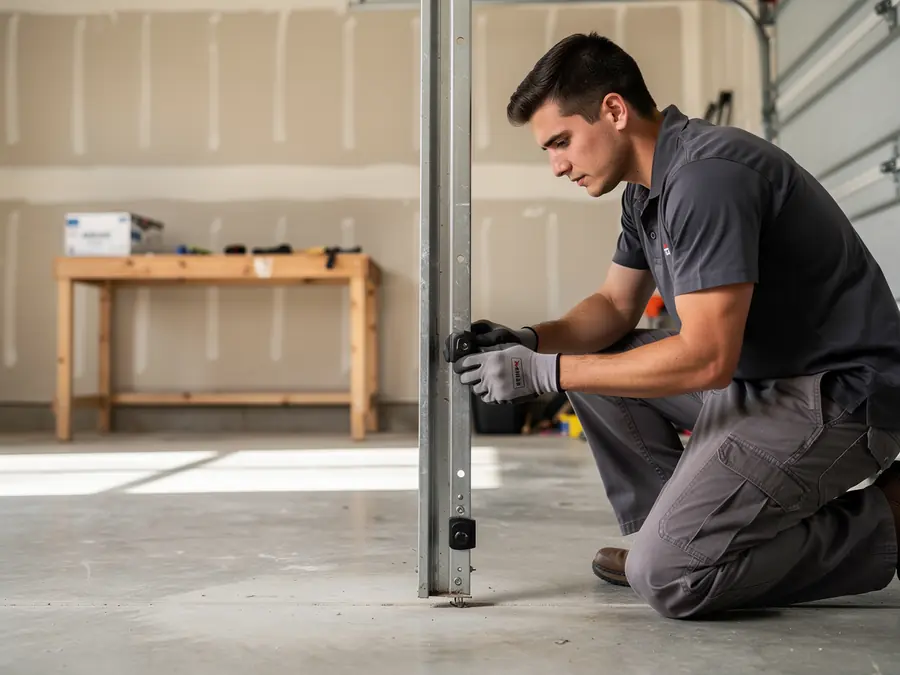
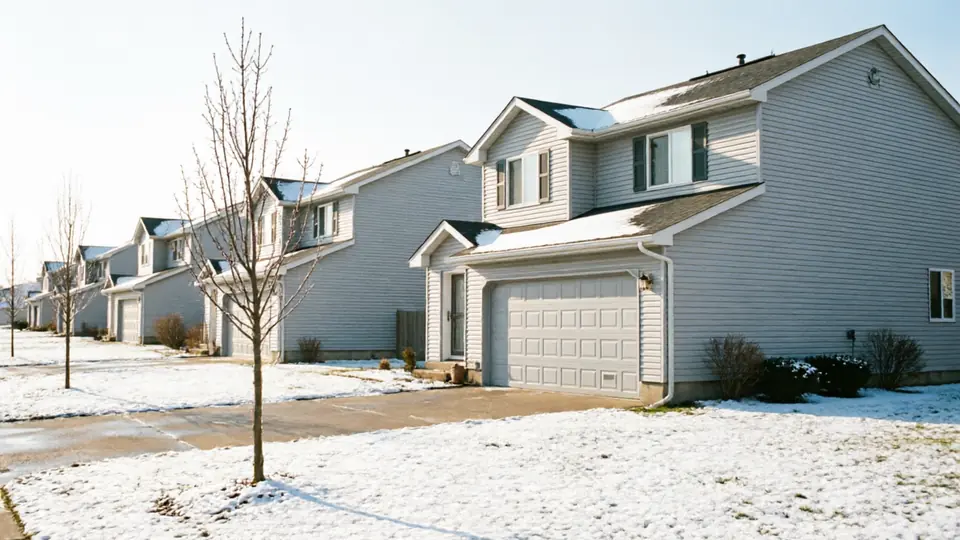
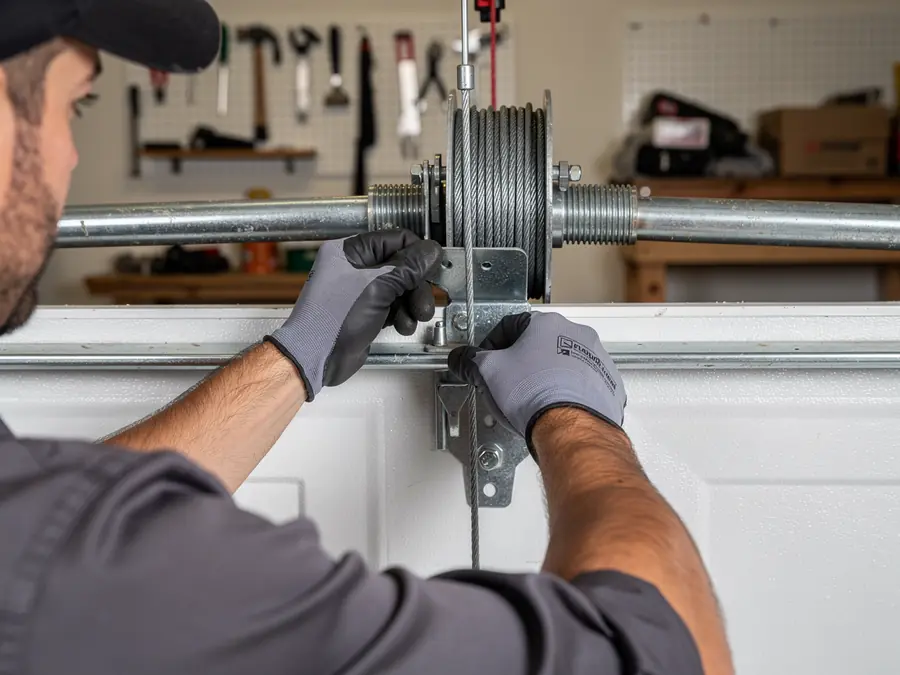
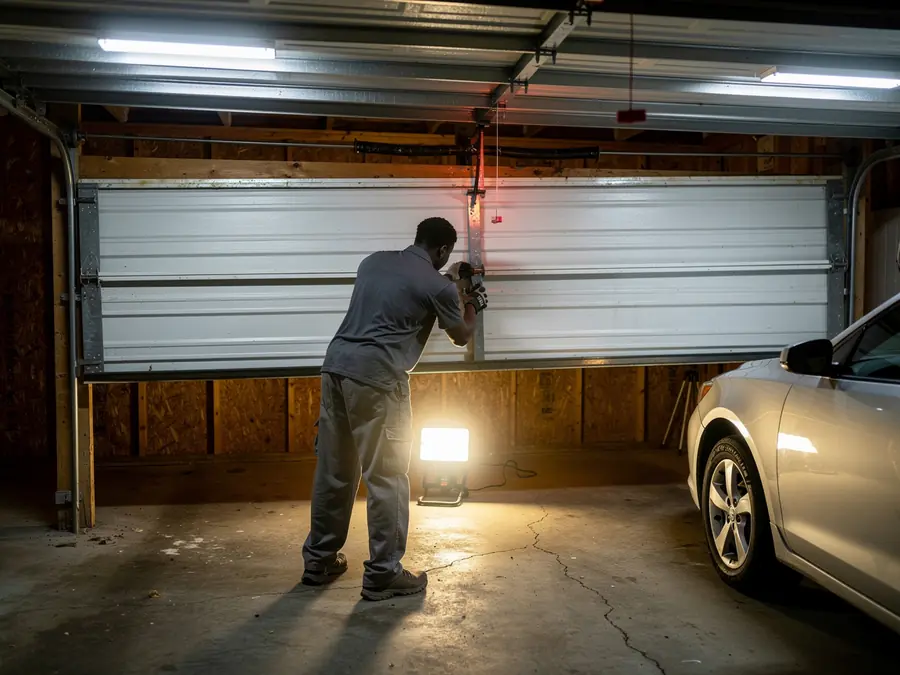
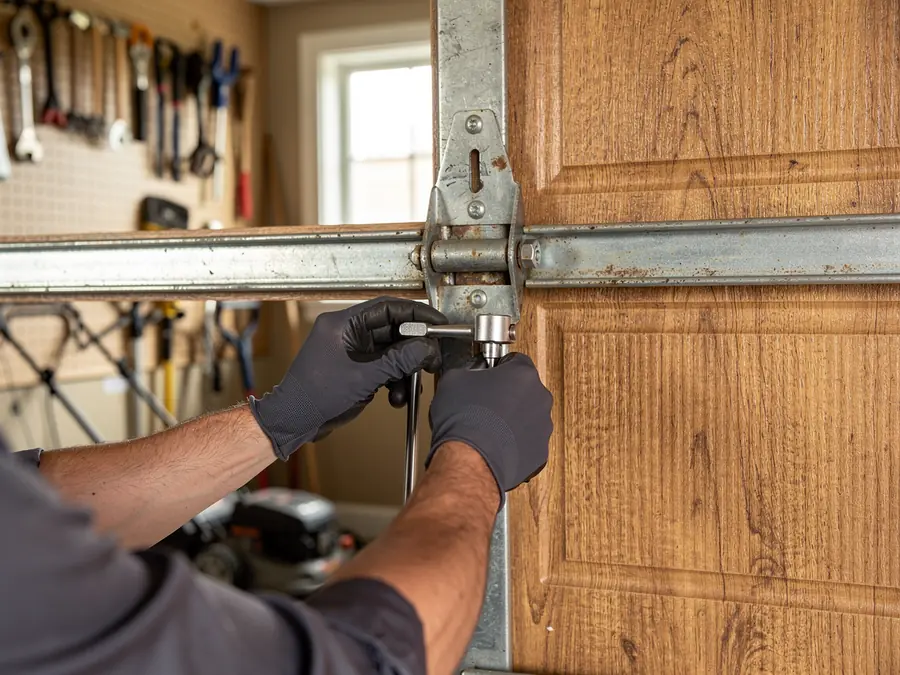
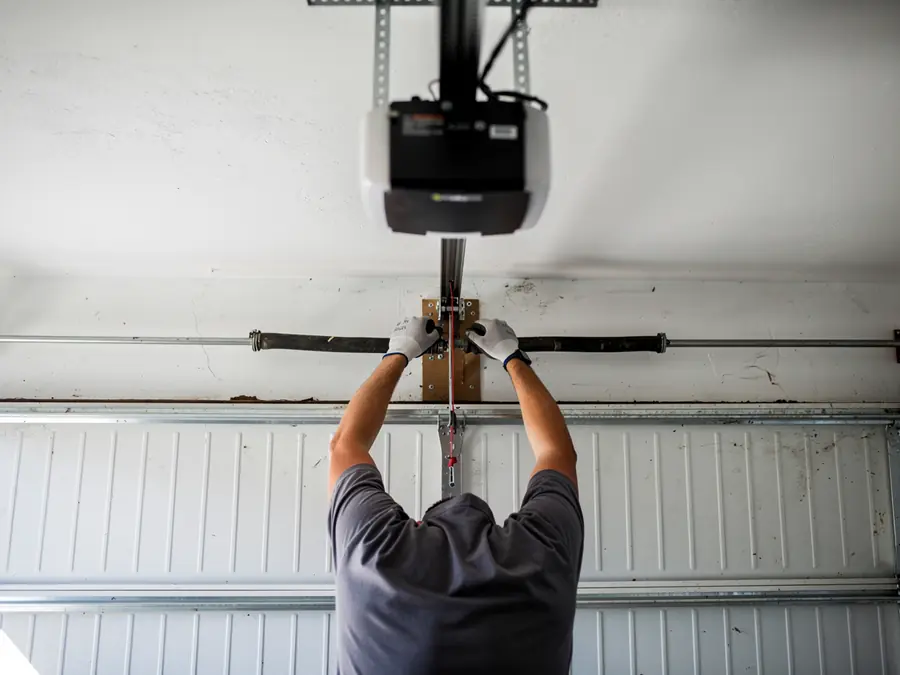
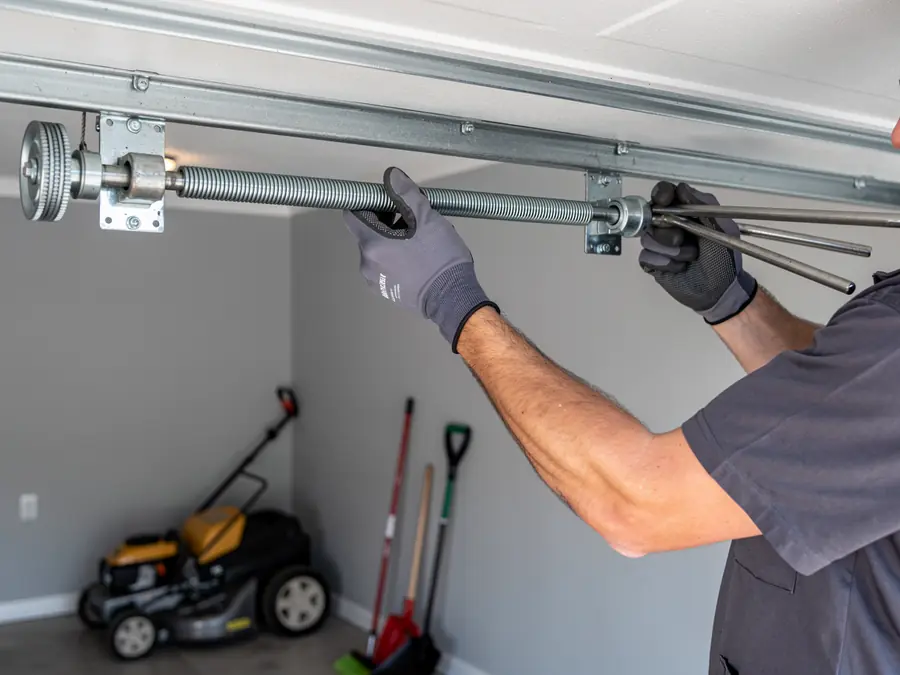
Crystal's housing stock centers on 1959, which puts a large share of these garage doors and their hardware squarely in the era before insulated steel panels and sealed bearing rollers became standard. Combine that with a severe cold climate band, and you get a specific, repeatable failure pattern: steel springs that have cycled through decades of winter contraction, and wood jambs that have shifted just enough to throw the door out of square.
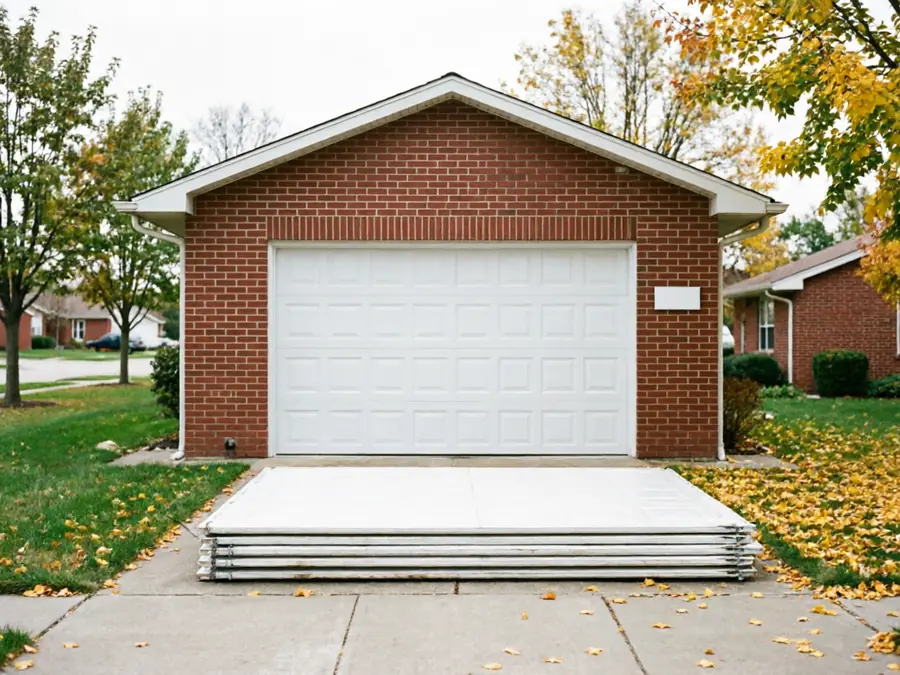
The area has 9,307 households, many sitting on lots platted in that same late-1950s wave, which means the garages were often built to the dimensions of a single car and a single door opening - not the wider two-car bays that came standard later. That matters when a door needs replacing, because off-the-shelf panel sizes don't always match what's there without some adjustment to the frame.
Cold-climate stress on original hardware is the throughline here, not a generic weather claim - it's decades of freeze-thaw cycling acting on springs and brackets that were never swapped out.