How Local Conditions Play In
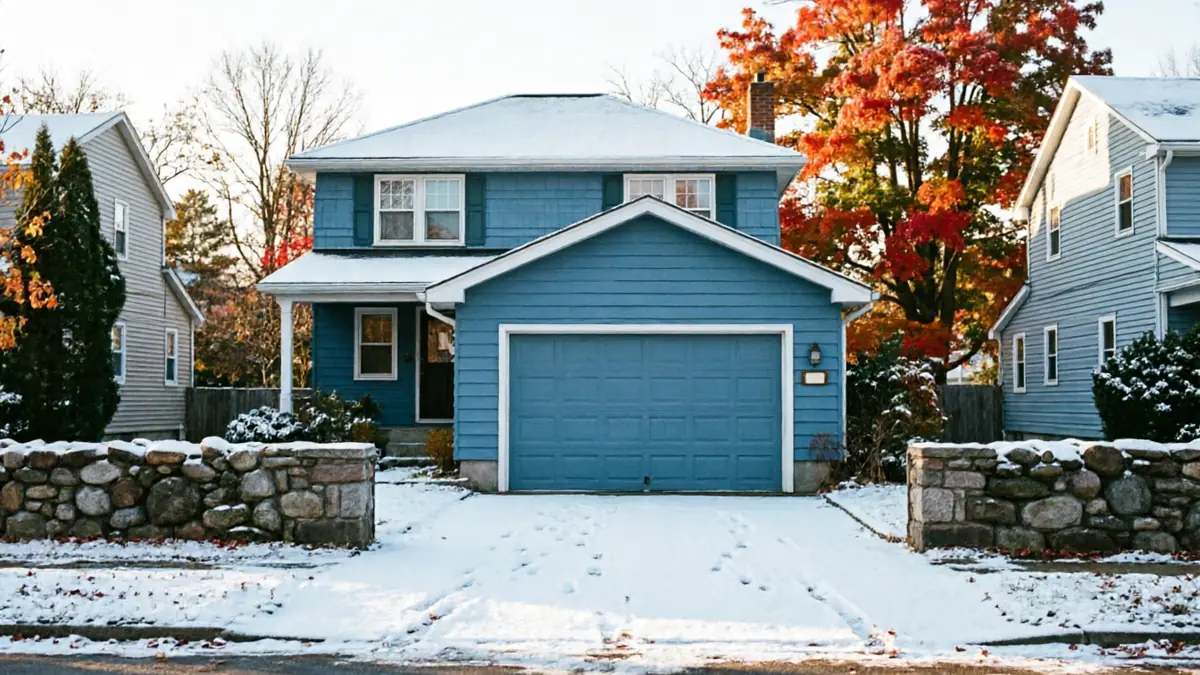
Most of the housing stock here went up between 1957 and 2005, with a median build year around 1975, and that one fact drives most of what we find on a call. A door and opener installed when a house was built in the 1960s or 70s has had five decades of Minnesota winters working on it. That's extension springs stretching past spec, torsion springs losing wind tension, and steel tracks that have gone slightly out of plumb as the slab settled. We're in a severe cold climate band, which means the grease in old ball bearings stiffens up every winter, cables ice over on the drum, and openers that read fine in July start grinding in January. A service call here almost always starts with us asking how old the door is relative to the house, because in a lot of these 1960s-70s builds, the door has been replaced once but the original torsion hardware never was. That mismatch between new door and old hardware is one of the more common things we find before we even open the panel.
What It Costs
We're not going to list numbers here that don't belong to this call, because the honest answer is that cost depends on what's actually wrong once we're looking at the door. What we can tell you is what drives the cost up or down. A door on original 1970s-era hardware usually needs more than a spring swap - bearings, cable, sometimes the drum itself, because that hardware wasn't built to the same tolerances as what's sold today. A newer opener on an older track system can sometimes be serviced cheaply because the problem is alignment, not parts. Cold-climate wear tends to hit springs and cables harder than it hits panels, so a call that starts as 'the door won't open' in January is more often a snapped spring than a dead opener. We quote after we look, not before, because guessing a price over the phone on a door we haven't seen is how you end up either over-promising or under-charging a homeowner.
What to Look At First
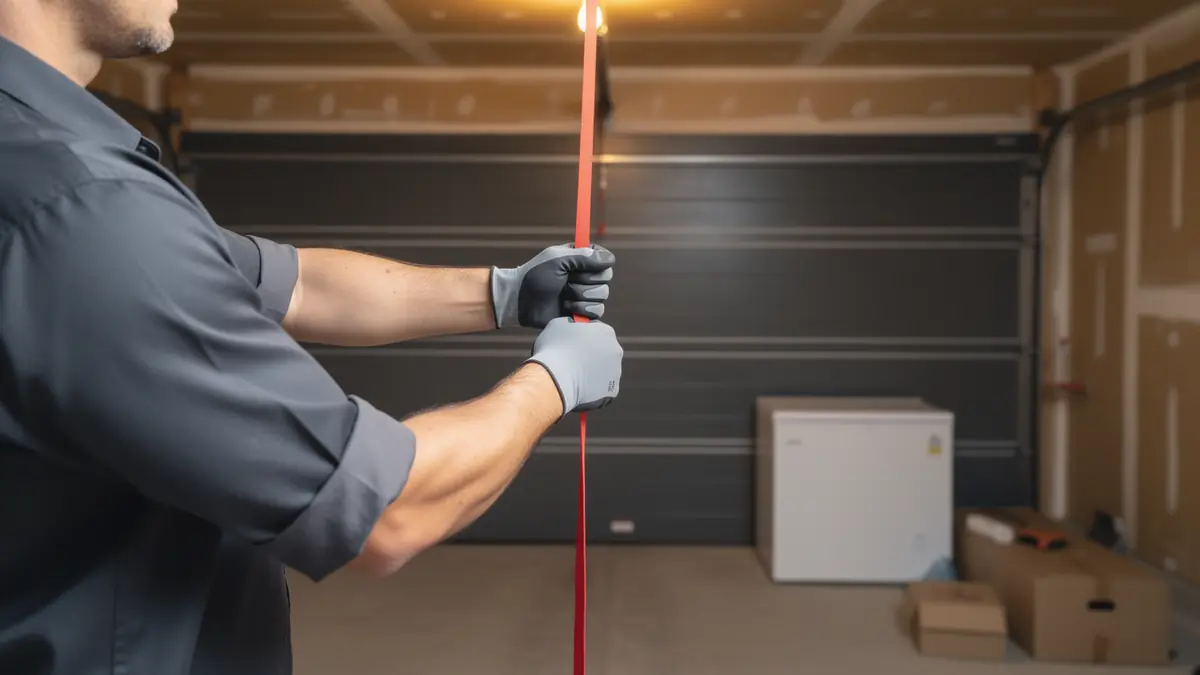
Before you call, there are a few things worth checking, especially if your house falls into that 1957-2005 build range common across this area. Look at the spring above the door - if it's one long spring stretched side to side (extension spring) versus a wound spring over the header (torsion spring), that tells us a lot about the era of the install and what parts we're bringing. Check whether the door drops fast or won't budge at all; a fast drop points to a broken spring, while a door that won't move but the opener motor runs usually means a cable off the drum or a bent track. In this climate, also check if the issue only shows up in cold weather - stiff movement that disappears once the garage warms up often means bearing grease has gone thick, not that something's broken. None of this replaces a look from the truck, but it saves time on the call.
What Is Going On
Across the roughly 114,022 owner-occupied houses in this service area, the pattern we see again and again is original or near-original hardware on a door that's been through forty-plus winters. Springs are rated for a cycle count, not a calendar, but cold weather accelerates metal fatigue, so a spring on a 1975-built house is often past its rated life well before the panel itself shows any wear. We also see opener electronics failing faster than the mechanical parts in houses built mid-century, simply because the opener has usually been replaced once or twice while the track and springs haven't. One honest limitation: if your springs and cables are original to a house built in the 1960s, we're not going to patch them - at that age, patching one part just means the next one goes within the year, and replacing the full hardware set costs less in the long run than three separate calls.
Talk to a local pro
Garage door trouble in Edina?
Same-day service with honest, upfront quotes.