How Local Conditions Play In
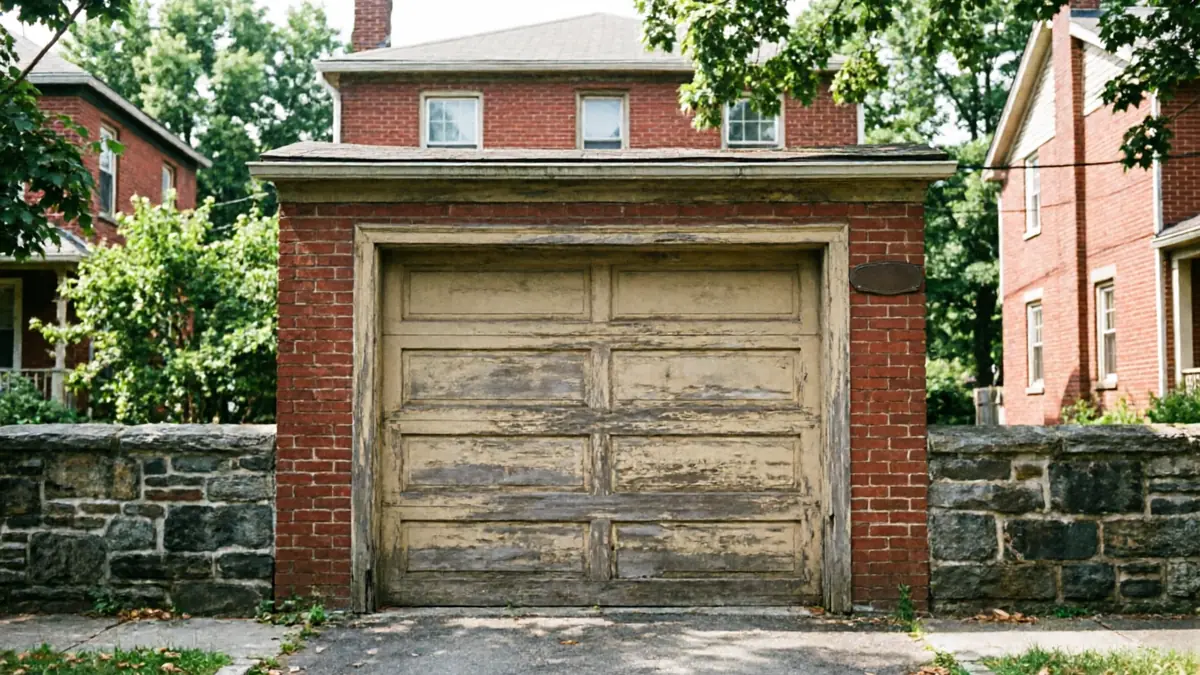
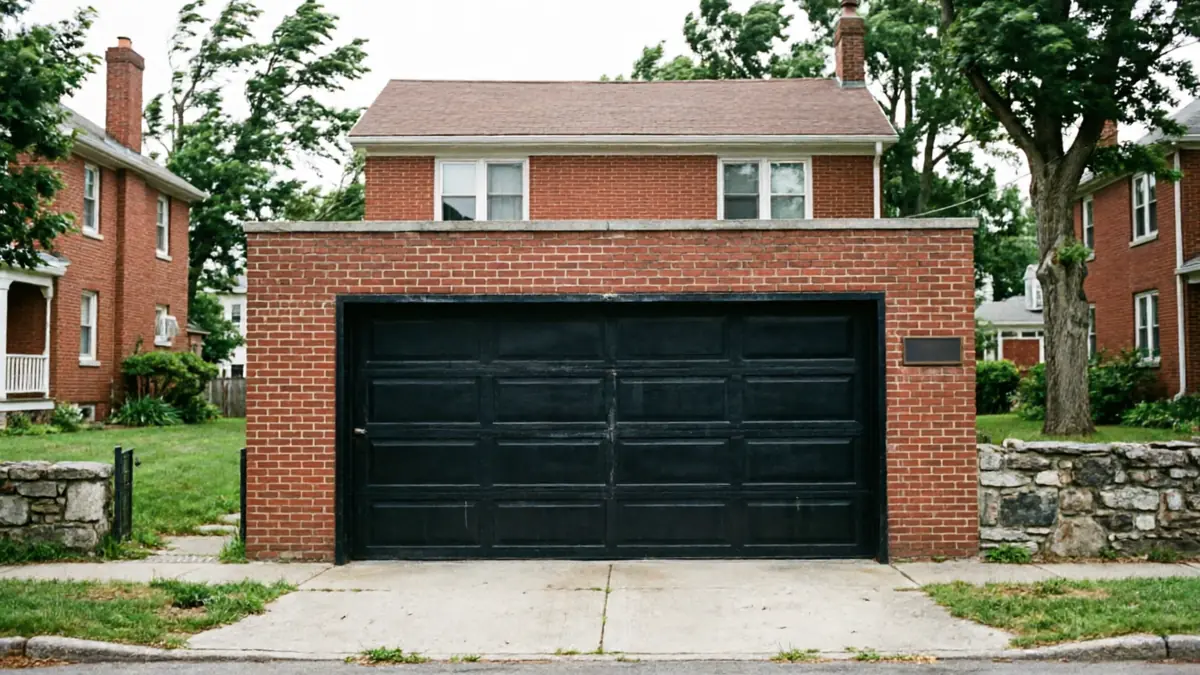
Most houses in Edina's established neighborhoods went up between 1957 and 2005, with the typical home dating to 1975. That means a lot of the garage doors on this side of town are original, or close to it, and the hardware behind them was built for a different era of expectations. Across the 48 named areas this shop covers, the bulk of the housing stock is still 1960s and 70s construction, so the panels, tracks, and springs we find on a service call tend to match what was standard then: heavier steel, thinner insulation, and torsion springs sized for the lighter doors of that decade.
Minnesota's cold, severe winters are not kind to that kind of door. Steel contracts in deep cold, weatherstripping dries out and cracks, and grease in old rollers and hinges thickens up until the door starts fighting the opener. A door that's run fine for forty summers can start binding hard the first really cold week of the year, because the clearances it was built with assumed a little more give than fifty-year-old steel still has. That combination - old hardware, hard winters - is the reason repair decisions here look different than they would somewhere milder.
What It Costs
We don't have a flat price list to hand you here, and any number we gave without seeing the door would be a guess, not a quote. What we can tell you is how the math tends to work. A broken spring or a bent section on an otherwise sound door is almost always worth fixing - the frame, opener, and most of the panels still have life in them, and a repair gets you back to normal without touching any of that.
Where it gets less clear is when the door itself is the problem: warped panels, delaminating insulation, a track system that's been reshaped by decades of minor impacts. At that point you're paying to patch something that's going to need patching again. With a median household income of $96,878 across the areas this shop serves, a lot of homeowners here are in a position to weigh a full replacement against another round of repairs, rather than defaulting to the cheapest fix every time. Across the roughly 238,610 households and 114,022 owner-occupied houses in this service area, that decision comes up constantly - there's no shortage of original-era doors reaching the point where repair and replacement cost close to the same thing.
What to Look At First
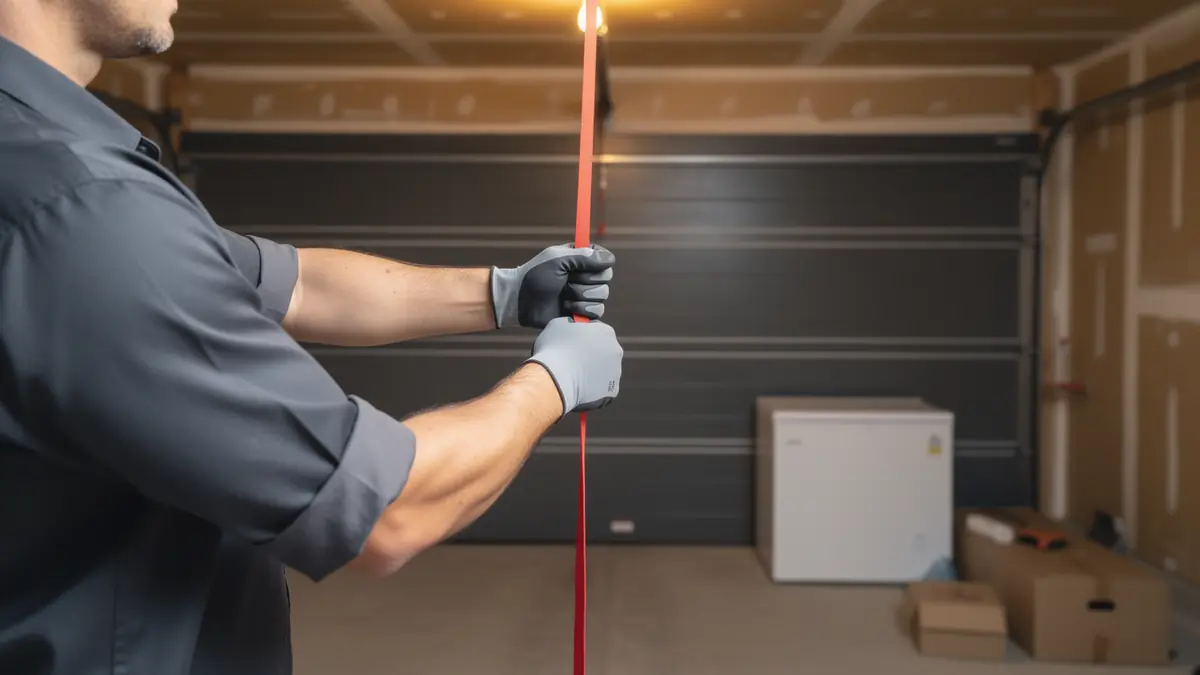
Start with the springs. On a door built in the 60s or 70s, torsion springs are the single most common failure point, and a snapped one is usually a straightforward repair rather than a reason to replace the whole door. Check for a visible gap in the coil above the door, or a door that won't stay up on its own.
Next, look at the bottom panel and the tracks. Decades of cold cycling can bow a track out of alignment or crack a panel at the corners where the rollers take the most stress. If the door drags, binds, or makes a grinding noise only in certain spots, that's usually track alignment, not the opener.
Last, check the weatherstripping and the bottom seal. On an original door from this era, that rubber is long past its useful life, and in a cold climate a bad seal means heat loss and ice buildup at the threshold. It's a cheap fix and worth doing even if nothing else is wrong. None of this requires taking the door apart - a few minutes with a flashlight tells you most of what you need to know before anyone comes out for a look.
What Is Going On
When a door built in the 1960s or 70s starts acting up, it's rarely one thing. The spring was sized for the door's original weight, which has usually crept up over the decades as bottom panels absorb moisture or get a replacement that's heavier than the original. The opener, if it's been swapped out more recently than the door itself, is now working against hardware it wasn't matched to. Add forty or fifty years of cold Minnesota winters cycling the steel and drying out the lubrication, and you get a door that feels like it's failing in three places at once when really it's one old system finally showing its age everywhere at the same time.
The honest limitation here: we can't tell you from a description alone whether a given door is a repair or a replacement. Two doors from the same 1975 subdivision can be in completely different shape depending on how they were maintained, so this page can tell you what to check and why it matters here, but not what your specific door needs.
Talk to a local pro
Garage door trouble in Edina?
Same-day service with honest, upfront quotes.