How Local Conditions Play In
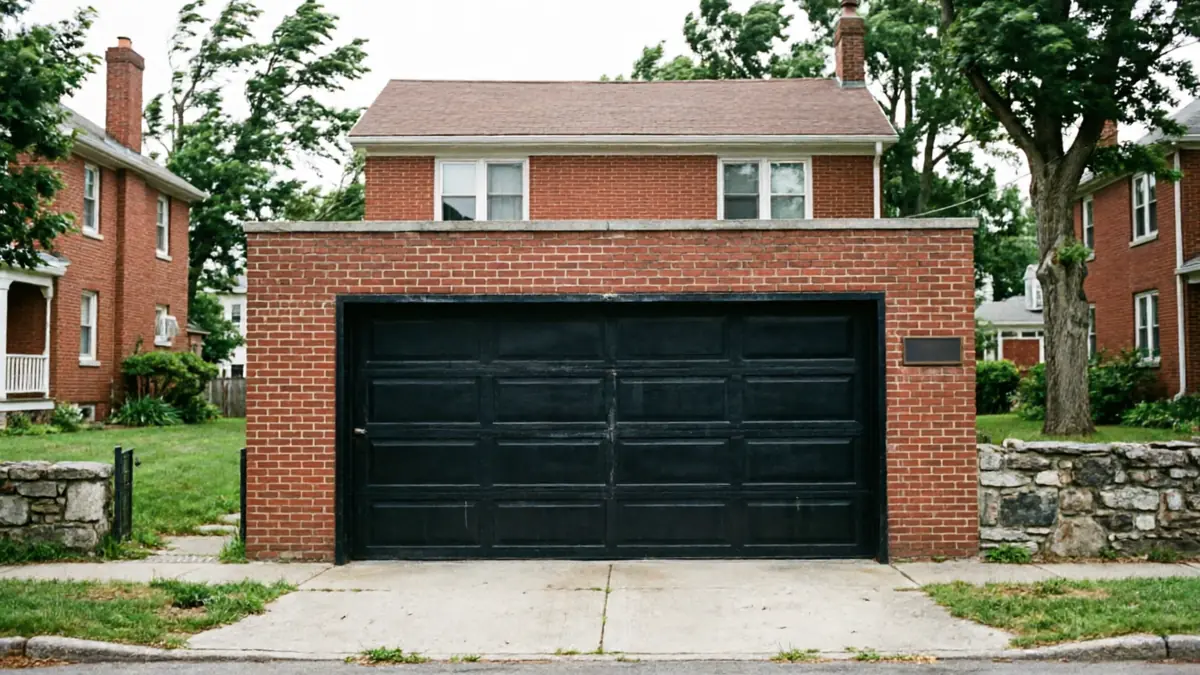
Most houses on this side of the Twin Cities, from Edina out through Richfield and Golden Valley, went up between 1957 and 2005, with the bulk of that stock dating to the 1960s and 70s. That matters for noise because a door built in that window is likely running original track brackets and, on the older end, steel rollers that were never swapped for nylon. A cold-climate winter here puts real stress on that hardware - grease stiffens, metal contracts, and a door that was whisper-quiet in August starts grinding by January. We're in a severe cold band, not a mild one, so the freeze-thaw cycle on a 50-plus-year-old track isn't theoretical, it's an annual event. A squeal in October is a warning. The same squeal in a January cold snap is usually a spring or roller about to fail, because the metal has already lost whatever flex it had left. If your house falls in that 1960s-70s band, the noise you're hearing is often the house telling you its age, not just the door.
What It Costs
We don't have a price list to hand you here, and we're not going to invent one. What we can tell you is what drives cost on a noise complaint in a house from this era: whether the hardware is original (it usually still has life left if it's just worn, not cracked), whether the track is bent from cold-weather contraction, and whether a roller has seized rather than just squeaking. A seized roller job is quick. A bent track on a door from the 1970s sometimes means sourcing a bracket that isn't sold at a regular hardware counter anymore, because the spacing on older track doesn't always match current stock sizes. That search adds time, and time adds cost. Median household income across this service area runs close to $97,000, and we mention that only because it tells you the housing stock skews toward owners who maintain rather than replace - which is the right instinct with a noise issue. Fix the part that's loud before you consider a full door. Most noise complaints end there, not at a replacement quote.
What to Look At First
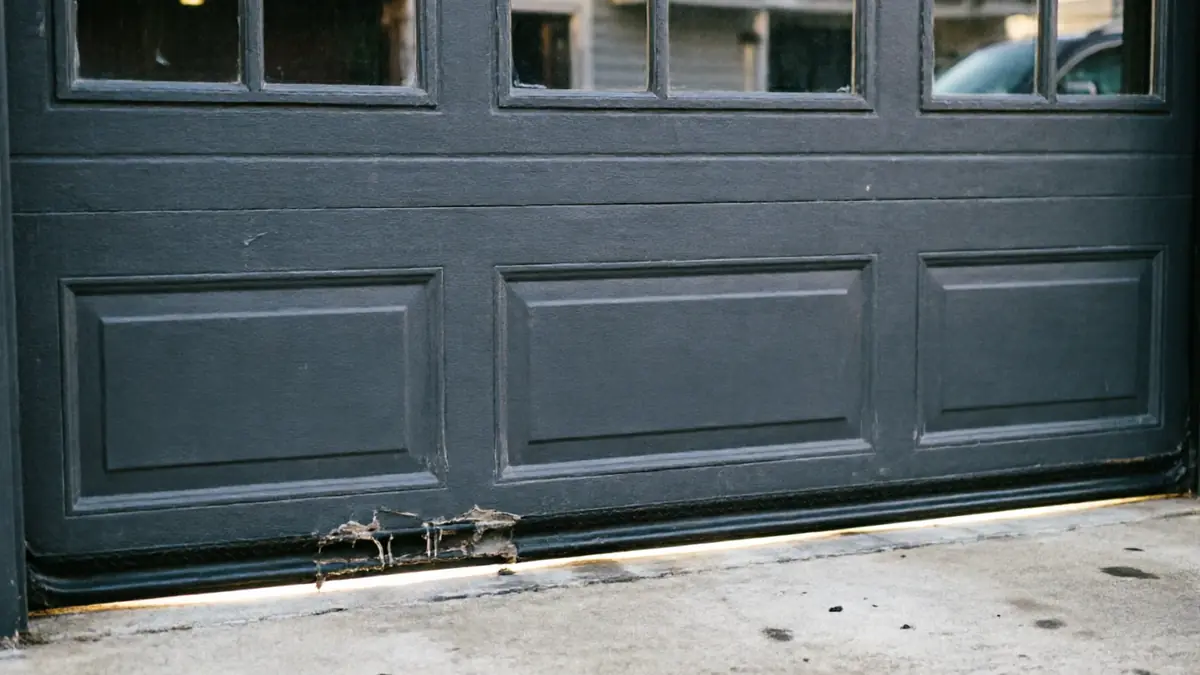
Start at the rollers. On a house from the 1960s-70s band that's never been upgraded, steel rollers in worn brackets are the single most common source of a rhythmic clunk - one per wheel pass as the door travels. Next, check the hinges between panels; a dry hinge on an older steel door sounds like a dull thud, not a squeal, and it gets worse specifically in cold weather because the metal is tighter against itself. Third, look at the spring. A torsion spring that's lost tension makes a different sound entirely - a shudder or bang at the top of travel, not a smooth hum. Last, the opener's drive gear, if the opener itself is original to the house rather than a later replacement; stripped plastic gears inside an older chain-drive unit make a grinding noise that sounds like it's coming from the door but isn't. Go in that order - rollers, hinges, spring, opener - because that's the order of what fails first on hardware this age in a cold climate like ours.
What Is Going On
A door in a house built in the 1957-2005 range, with most of the stock here clustering in the 1960s and 70s, ages on a predictable curve. Lubricant that was fine for fifteen years starts failing to hold up against severe cold swings, and the first casualty is almost always sound, not function - the door still opens, it just sounds worse doing it. That's actually good news: a noisy door that still runs is a door you can get ahead of before it's a dead-spring door that won't open at all. One honest limitation - we can't diagnose a specific sound over the phone with any confidence. A grinding noise could be a roller, a gear, or a spring depending on where in the cycle it happens, and guessing wrong wastes a visit. What we can say with confidence is that in homes this age, in this climate band, noise complaints cluster around the same four or five parts, which is why we built this page around them instead of a generic door-care list.
Talk to a local pro
Garage door trouble in Edina?
Same-day service with honest, upfront quotes.