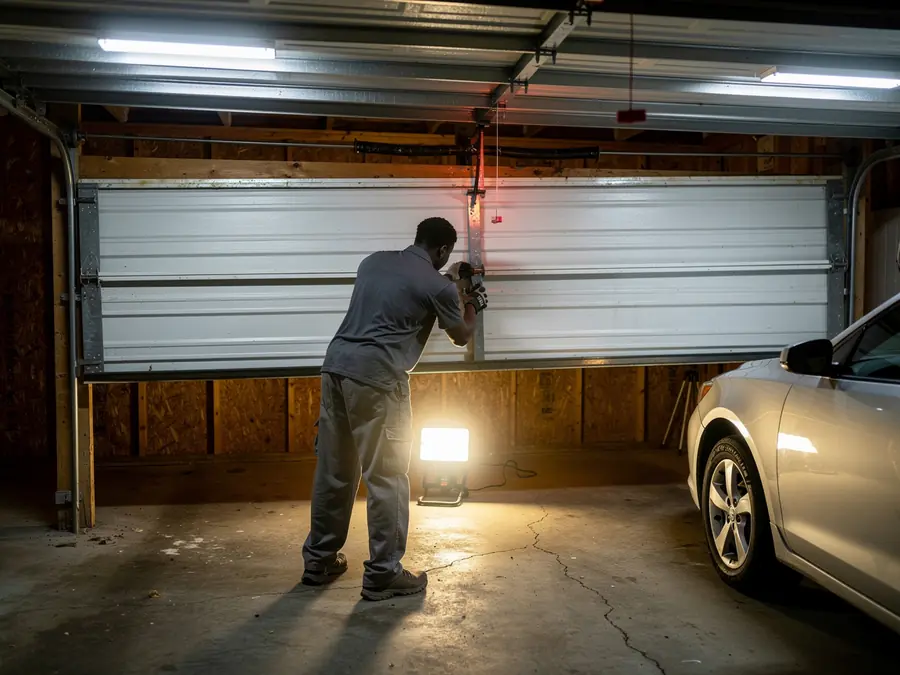
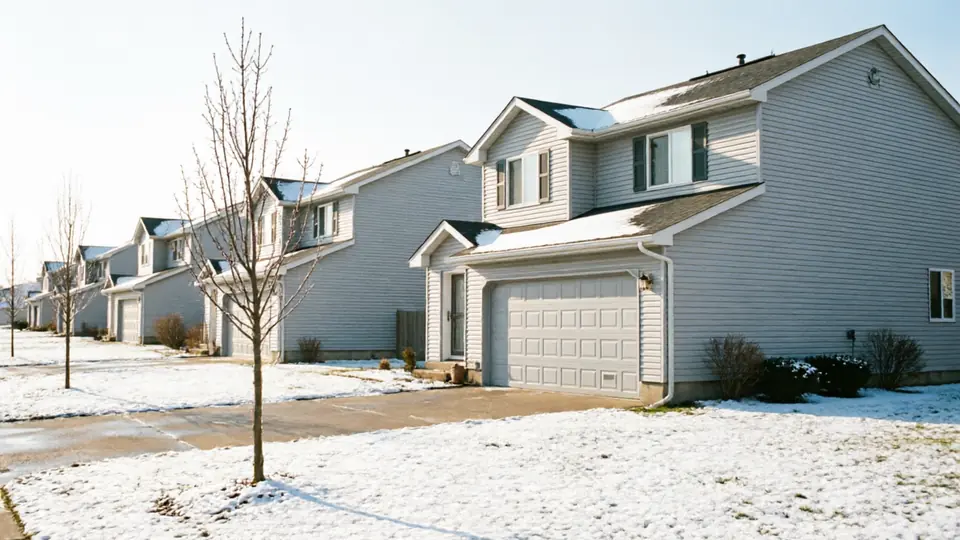
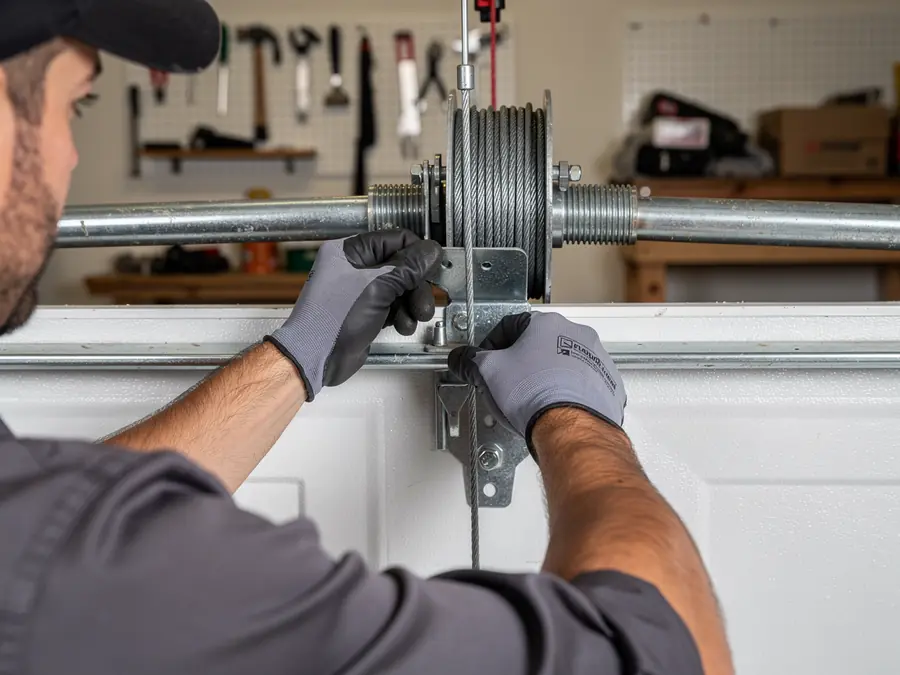
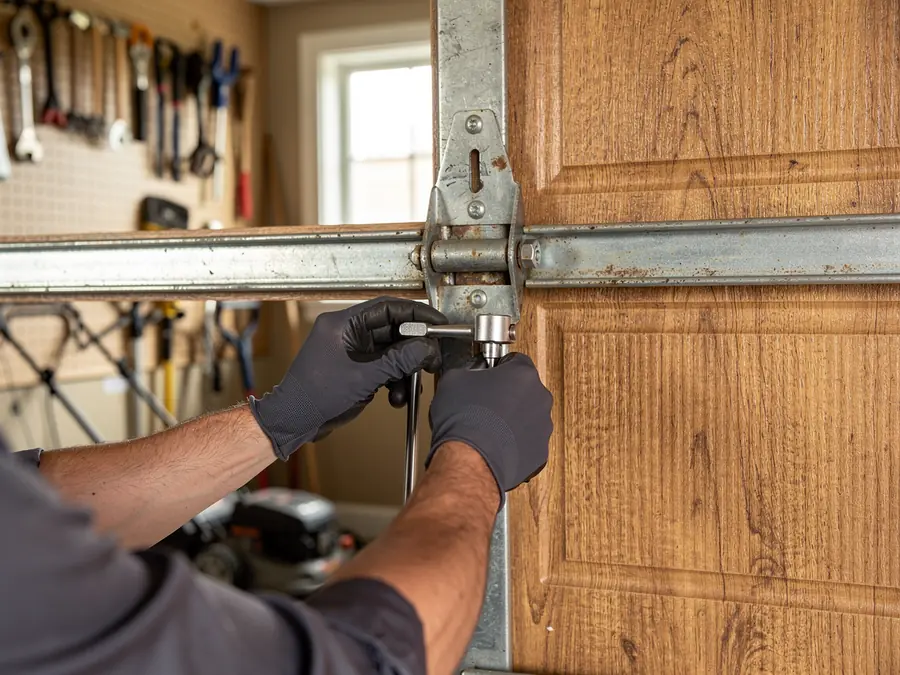
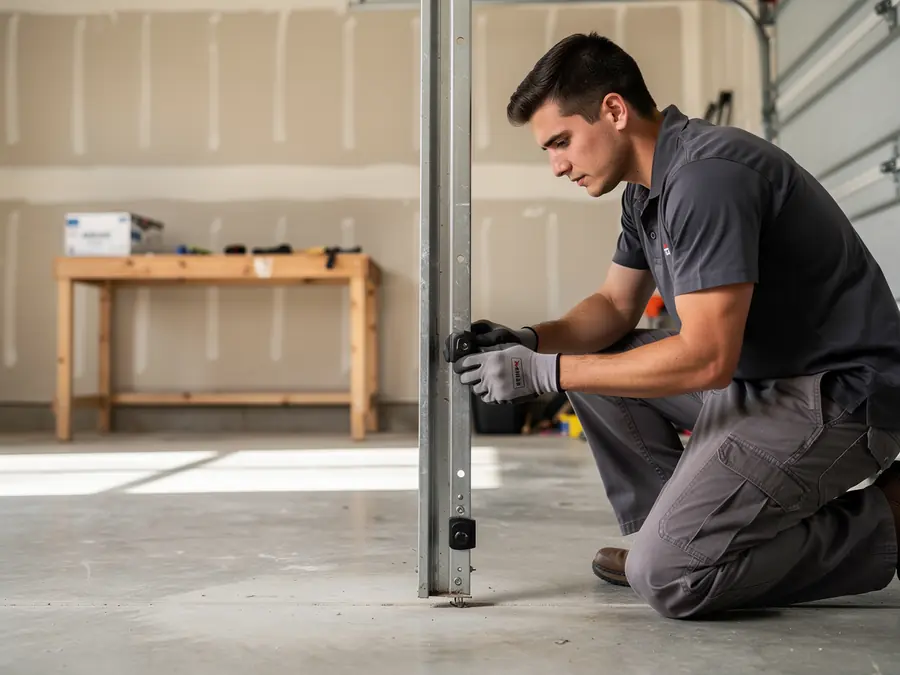
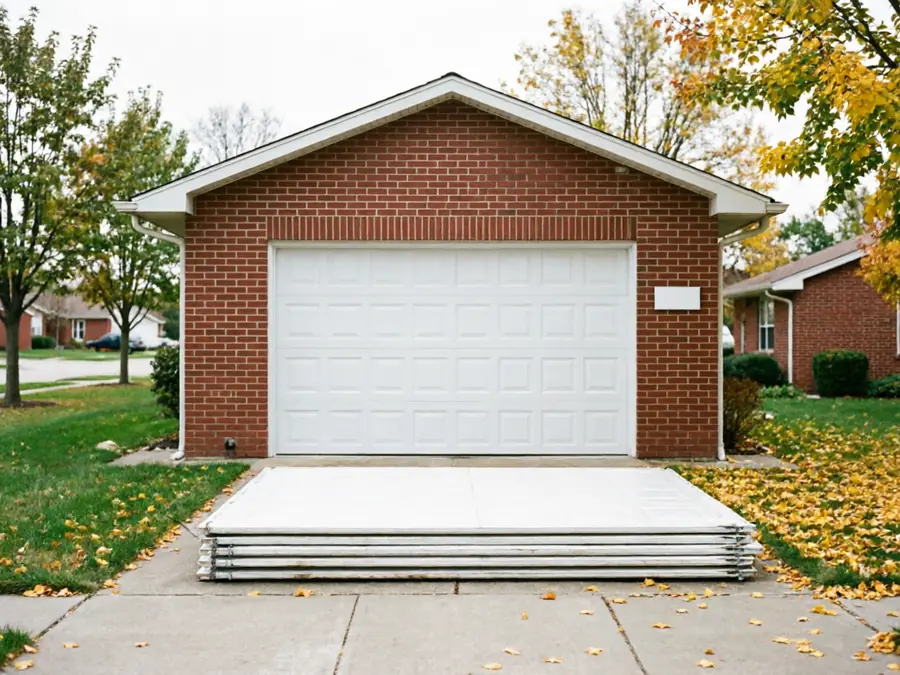
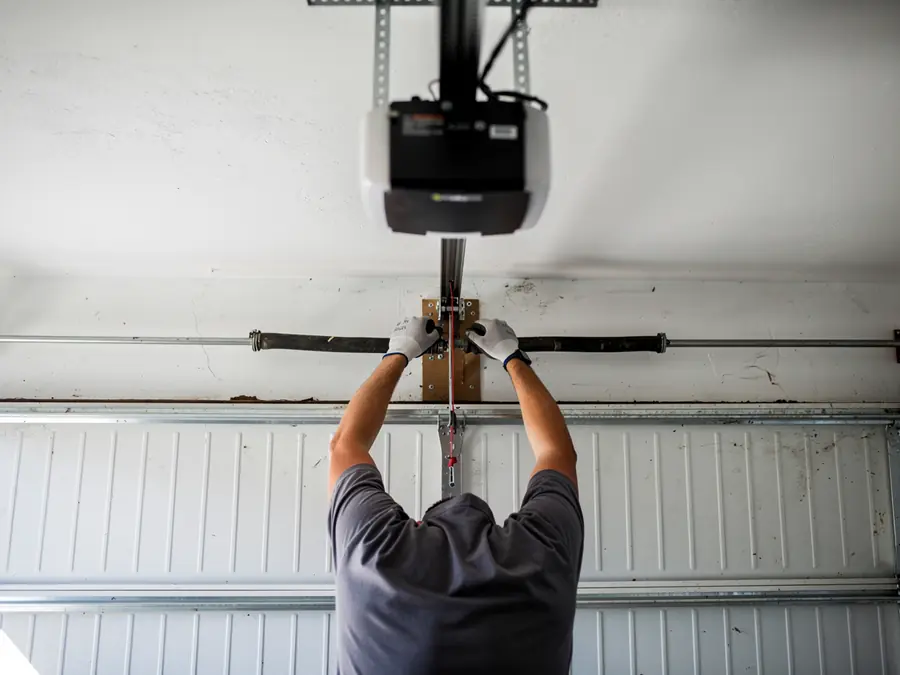
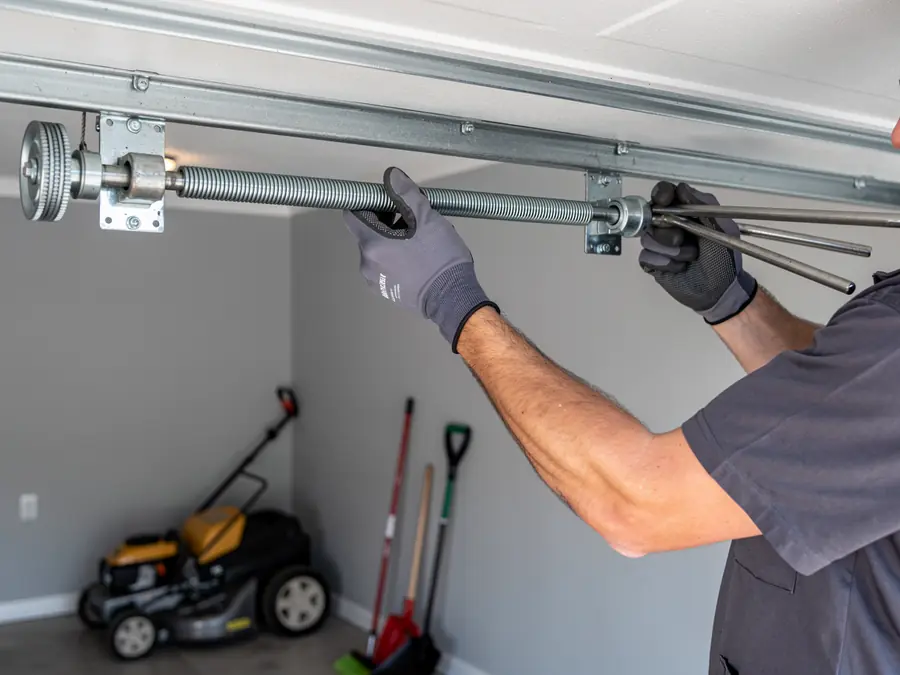
Fifteen thousand five hundred and eighty-six households is enough volume that the failure patterns repeat instead of varying wildly from house to house. Roseville's housing, centered around 1968, sits inside the broader 1957-2005 range we see across this service area, but it leans older than a lot of newer construction nearby - which means more original torsion hardware still in service, more first-generation openers, more galvanized panels that have seen fifty-plus winters.
The cold-severe climate does the rest of the work. Steel spring wire fatigues faster through repeated freeze cycles, and a median household income of $88,440 means most owners are keeping these doors running rather than replacing them early - which is a reasonable call, but it means the springs and cables are working closer to the end of their rated cycles than on newer stock. That combination - older hardware, hard winters, and doors kept in service - is why the emergency calls from this area cluster around spring and cable failure rather than, say, opener electronics.